Marrakech Guides Article
The Souks of Marrakech: Which One for What, and What to Buy in Each
MApar marrakeshexpresstour 3 min read
Marrakech's souks aren't one market — here's which ones matter, what each sells, and how to bargain without overpaying.
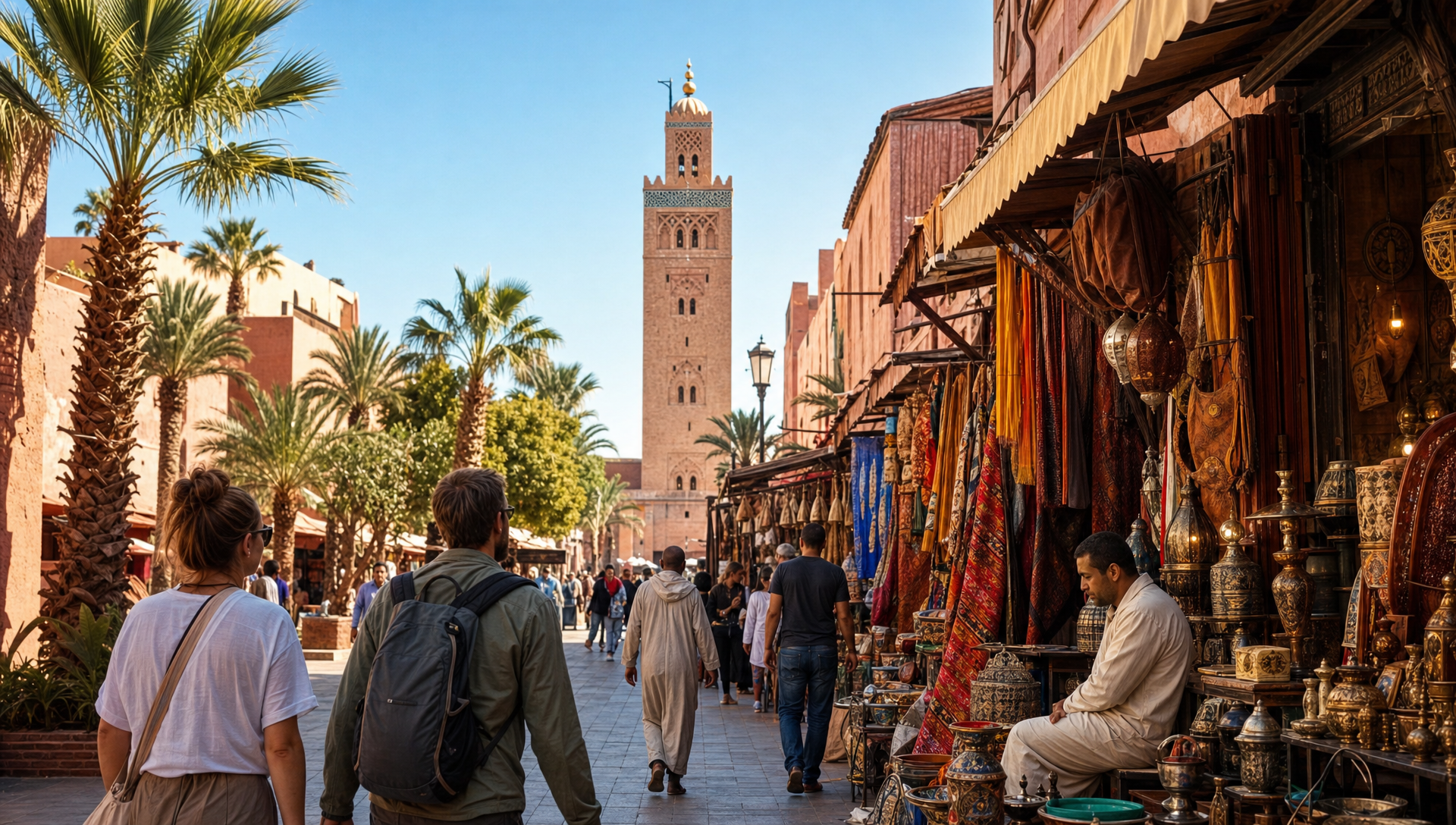
“The souks” isn’t one market — it’s a sprawling network of dozens of specialized markets packed into the Medina, and each one sells something different. Trying to see all of them in one visit is how people end up exhausted and overpaying. Here’s which ones actually matter and what to expect in each.
Souk Semmarine — start here
The largest and busiest market in the Medina, and the natural entry point — textiles, handcrafted leather goods, ceramics and decorative lanterns line the main covered walkway. Good for a first pass to get a sense of prices before you commit to buying anything.
Souk Smata — for babouche slippers
Entirely dedicated to traditional Moroccan leather slippers (babouche) — hundreds of styles and colors, handmade. If a pair of slippers is on your list, this is the one souk to prioritize.
Souk El Attarine — spices and fragrance
Saffron, cinnamon, cumin and fresh mint alongside traditional herbal remedies and natural cosmetics. Worth a slow walk even if you’re not buying — the smell alone is worth the detour.
Souk des Bijoutiers — the jewelry quarter
Morocco’s jewelry district — handcrafted silver, gold pieces and gemstone work blending Berber, Arab and Andalusian influences. Prices vary enormously by craftsmanship, so compare a few stalls before deciding.
Souk Chouari — cedar woodwork
Furniture, decorative pieces, kitchen utensils and intricate carving, all in cedar. If you want something genuinely made on-site rather than imported, this is one of the more reliable souks for it.
Looking for a different craft entirely?
These five cover the main shopping souks, but Marrakech’s artisan districts go further — dyers, tanners and metalworkers in their own separate quarters. Our craft traditions guide covers the Dyers’ Souk, Souk Cherratine and Place des Ferblantiers in detail.
What to buy
- Les tapis berbères — handwoven, wide price range based on size and knot density
- Articles en cuir — bags, slippers, poufs
- Brass lanterns — check for actual soldered joints versus glued if buying for durability
- Ceramics and pottery — much of it from Safi and Fes, sold through Marrakech shops
- Argan oil and natural cosmetics — look for cooperative-sourced products for better quality control
- Les épices — buy from a stall that grinds to order rather than pre-bagged
How to bargain without the awkwardness
Friendly bargaining is expected, not rude. Greet the seller, browse a couple of stalls first so you have a sense of the range, make a reasonable counteroffer rather than a lowball, and be willing to walk away — most sellers will call you back with a better price if you’re genuinely close.
Common mistakes
- Buying from the very first shop without comparing
- Rushing a big purchase (rugs especially) without checking a few options
- Not asking about shipping for large items before you buy
- Skipping the quality check on handmade items — machine-made copies are common
Best time to go
9-11am for a relaxed pace and better light for photos; 4-6pm when the Medina fills with energy. Either way, wind down near Jemaa el-Fnaa as it comes alive in the evening.
A half-day shopping route
Start at Souk Semmarine, work through to El Attarine for spices, detour to Souk des Bijoutiers if jewelry interests you, and finish at Souk Chouari before the crowds pick up in Jemaa el-Fnaa. Pair it with nearby stops at the Musée Dar Si Said or Ben Youssef Madrasa if you want a break from shopping midway.