Conseils de voyage au Maroc Article
Is Morocco Safe to Visit? A Straight Answer from a Marrakech-Based Guide
MApar marrakeshexpresstour 4 min de lecture
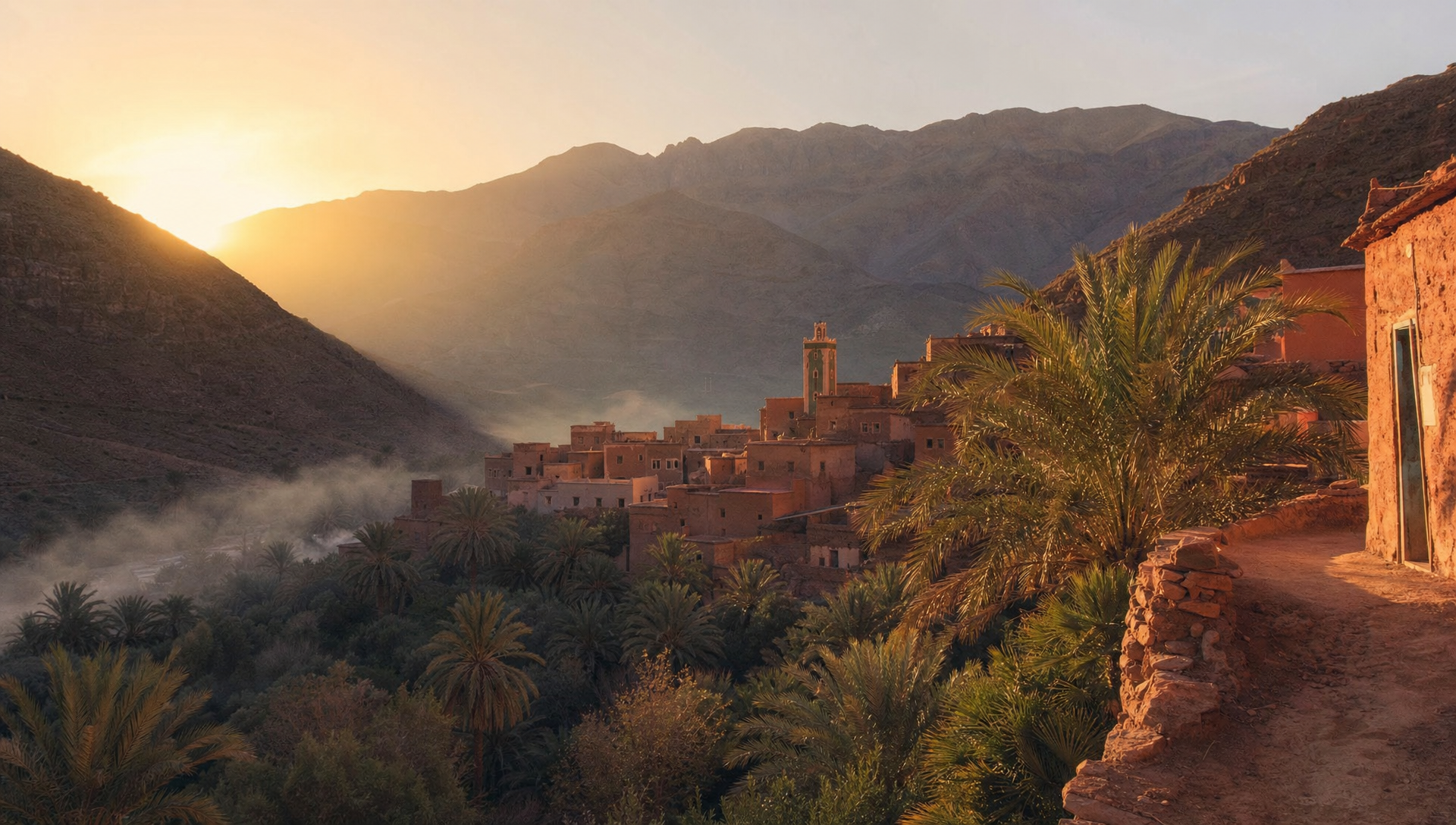
Is Morocco safe to visit? An honest, practical breakdown of Marrakech, the Sahara, solo and women travelers, common scams, and how to avoid the real issues.
Réponse courte : oui, le Maroc est sûr pour l’immense majorité des visiteurs, et des millions de personnes y voyagent chaque année sans incident. La réponse plus longue et plus utile, c’est à quoi faire attention concrètement, car « est-ce sûr ? » ne renvoie presque jamais à un danger physique — il s’agit plutôt d’éviter les arnaques, de savoir se repérer dans la médina et de comprendre quelques usages locaux qui rendent le voyage plus simple.
Is Marrakech safe?
Oui. Marrakech est l’une des villes les plus visitées du Maroc et bien organisée pour les touristes, avec une présence visible de la police touristique (la Brigade Touristique) autour des principaux sites et de la médina. Les problèmes les plus courants ne sont pas des violences — ce sont des prix gonflés, de faux « guides » proposant leur aide avant d’exiger un paiement, et quelques vols à la tire dans les parties les plus fréquentées de Jemaa el-Fnaa et des souks, comme dans n’importe quelle zone touristique très fréquentée du monde. Gardez vos objets de valeur en sécurité, convenez des prix avant d’accepter une aide ou un taxi, et vous éviterez presque tout cela.
Is the Sahara Desert safe?
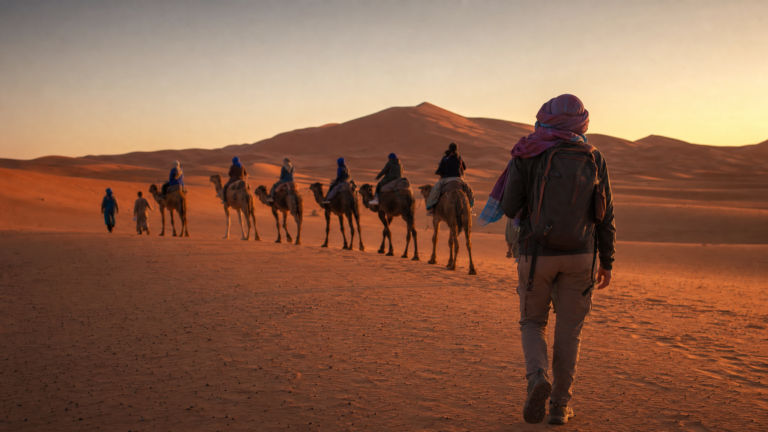
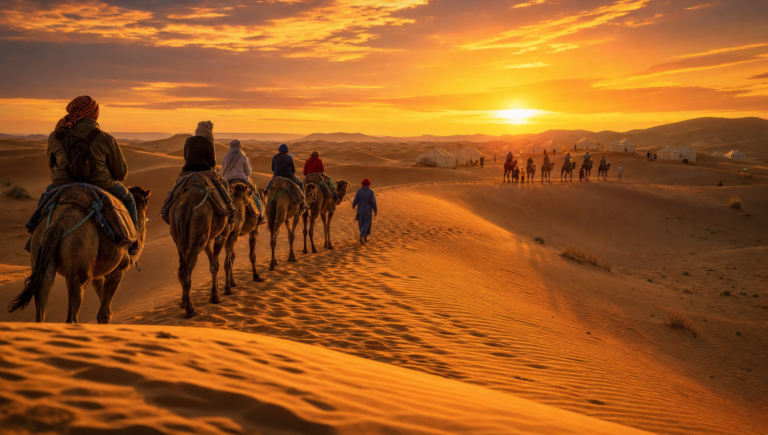
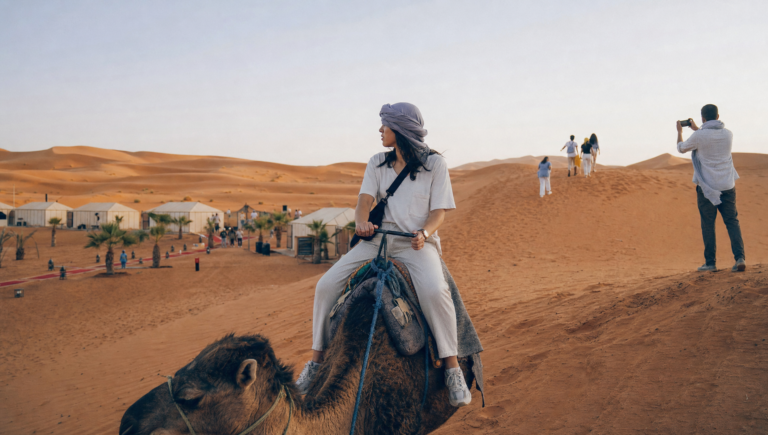
Yes, when done through an established operator. Desert routes and camps are well-traveled, guides know the terrain, and camps are set up specifically for overnight visitors. The main real risks are heat and dehydration in warmer months and cold nights in winter — pack accordingly (our packing list covers exactly what to bring for the desert) and stick with a guide rather than exploring dunes alone.
Safety for solo travelers
Le Maroc est une destination vraiment prisée des voyageurs seuls, et le principal ajustement pour eux concerne l’orientation — les ruelles étroites et non signalées de la médina désorientent même ceux qui sont déjà venus. Un guide ou un chauffeur privé supprime presque entièrement cette friction, et c’est exactement pour cela que beaucoup de voyageurs solo choisissent un circuit privé plutôt que de se débrouiller seuls les premiers jours.
Safety for women traveling in Morocco
Beaucoup de femmes voyagent seules au Maroc sans problème sérieux, même si l’attention non désirée — remarques, vendeurs insistants — est ici une gêne plus courante qu’un réel danger. S’habiller sobrement dans les zones plus traditionnelles (épaules et genoux couverts), marcher avec assurance et éviter les ruelles désertes après la tombée de la nuit sont les mêmes habitudes pratiques qui valent dans la plupart des destinations. Un guide privé, surtout les premiers jours, change nettement la quantité de ces frictions à laquelle on est confronté.
Transportation safety
Use official petit taxis (agree on the meter or a price before getting in) or arrange transport through your riad or tour operator rather than hailing unmarked cars. For longer trips between cities, a private driver is significantly more comfortable and predictable than shared long-distance transport.
Money and shopping
Carry cash in smaller denominations, use ATMs in well-lit, populated areas (branches in Gueliz and near major squares are generally the most reliable), and remember that bargaining in the souks is a normal, expected part of shopping, not a sign something’s wrong. See our souks guide for how to bargain without the awkwardness.
Health basics
Stick to bottled or filtered water, use sun protection year-round (the sun is stronger than it feels, especially in the desert), and get travel insurance that covers medical evacuation, particularly if you’re doing a multi-day Sahara or mountain trip. Pharmacies in Marrakech are well-stocked for common travel needs.
Cultural etiquette that prevents most friction
Dress modestly in the medina and religious sites (shoulders and knees covered), ask before photographing people, and use your right hand for eating and handing things over. None of this is about danger — it’s about being a respectful guest, and it noticeably changes how you’re treated.
Common tourist mistakes
- Accepting unsolicited “help” from someone who then demands payment for directions you didn’t ask for
- Not agreeing on a taxi price or insisting on the meter before the ride starts
- Wandering the medina without a rough sense of direction or a saved map
- Assuming the first quoted price in a souk is fixed
- Underestimating desert heat or cold and packing wrong
Why many first-time travelers choose a private tour
Almost everything above — navigation, transport, unwanted attention, pricing uncertainty — gets significantly easier with a private guide and driver, which is why it’s often the first thing we recommend to nervous first-timers rather than a full independent trip. Our custom tour builder lets you add a private guide to exactly the parts of your trip where it matters most, and our first-timers guide covers the rest of the practical logistics — visas, currency, what to expect on arrival.