Conseils de voyage au Maroc Article
Morocco, Honestly: What I’d Tell a Friend Before They Go
MApar marrakeshexpresstour 4 min de lecture
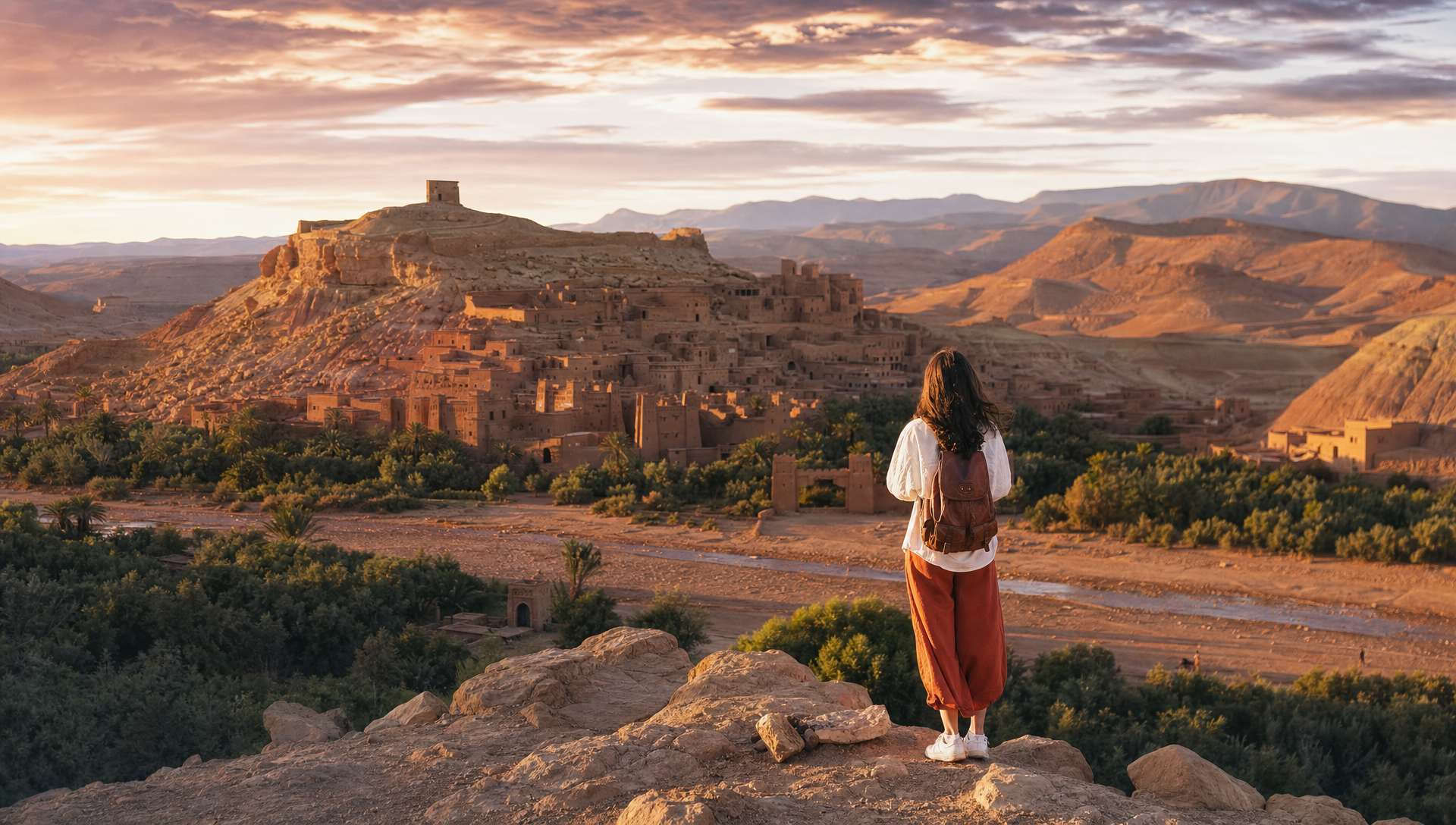
Not the brochure version. The haggling, the hospitality, the contrasts between cities — what I'd actually tell a friend before they booked a trip to Morocco.
Every Morocco article promises you “the real Morocco” and then hands you the same ten photos of blue doors and camel silhouettes. Here’s what I’d actually tell a friend, the version with the parts most guides leave out.
It contradicts itself constantly, and that’s the point
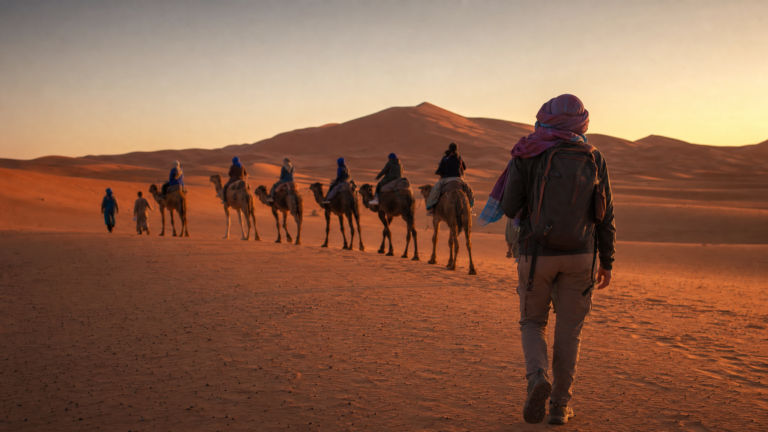
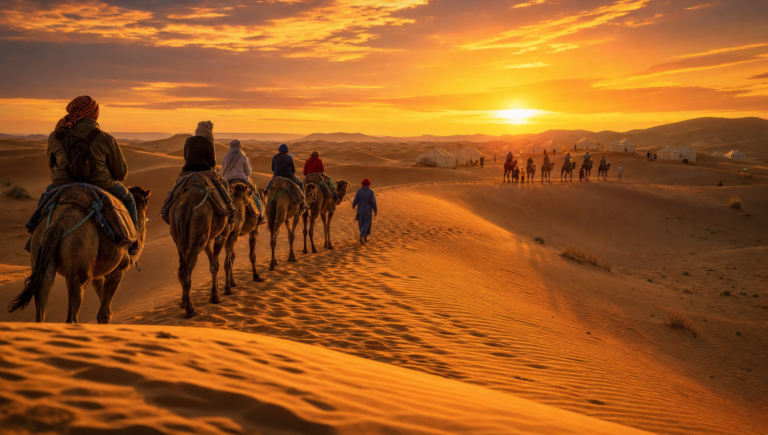
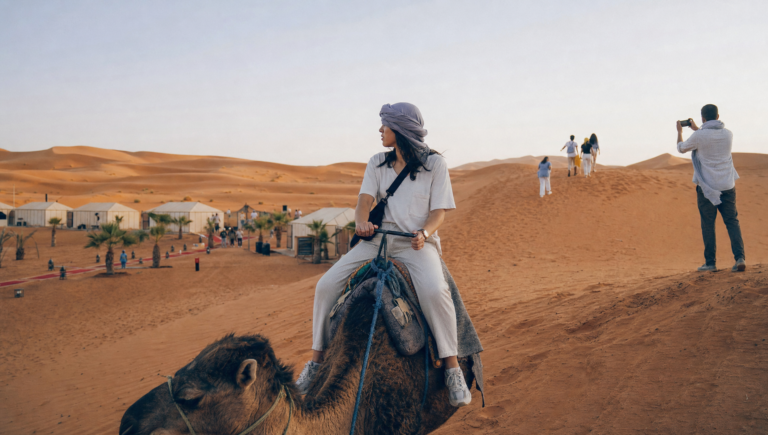
Marrakech is called the Red City for its ochre walls; a completely different city, Chefchaouen, is the actual Blue City, hundreds of kilometers north. You can eat breakfast in a medina alley too narrow for a car and be on a highway toward glass office towers in Casablanca by afternoon. You can watch the sun set from a rooftop café and, two days later, watch it set over dunes with no building in sight. Morocco doesn’t resolve these contrasts for you. It just keeps handing them to you, back to back, and that’s honestly the best argument for going — not any single postcard moment.
The hospitality is real, and it will make you uncomfortable in a good way
Le thé à la menthe arrive que vous achetiez quelque chose ou non. Les commerçants vous feront asseoir et parleront de leurs enfants avant de parler de leurs tapis. Ce n’est pas une tactique de vente sous un masque amical — c’est vraiment ainsi que l’on apprend ici à traiter un hôte, et si vous venez d’une culture où l’hospitalité est plus transactionnelle, cela peut désarmer. Laissez-vous faire. Ne coupez pas court à une conversation parce que vous pensez « devoir » être ailleurs sur votre programme.
Haggling is a conversation, not a con
First-time visitors brace for haggling like it’s an ambush. It isn’t. In the souks, le prix demandé est un point de départ que tout le monde comprend comme tel — les vendeurs attendent la négociation et y prennent souvent plus de plaisir qu’à un oui immédiat. Vous ne vous faites pas berner en négociant ; vous passeriez à côté d’une partie de l’échange en ne le faisant pas. Règle approximative : si le premier prix vous fait tiquer, proposez à peu près la moitié et trouvez un terrain d’entente qui vous convient. Si un montant vous met vraiment mal à l’aise, partir est toujours acceptable — il y a toujours un autre étal.
Plan less than you think you need to
The itineraries that go badly are the ones scheduled to the hour. Medinas are built to disorient you a little on purpose — that’s not a flaw, it’s centuries of urban design meant to slow down commerce and conversation. Leave gaps. The best hour of a first Marrakech trip is rarely the one on the schedule; it’s the alley you took by accident.
The food is not just tagine
Tagine earns its reputation, but a week of only tagine is a week of missing most of Moroccan food: msemen (a folded, layered flatbread) for breakfast, harira soup that varies by household, grilled fish on the coast, and pastilla — a savory-sweet pigeon or chicken pie dusted in cinnamon and sugar that sounds wrong on paper and isn’t. Ask what a place is known for locally rather than ordering the tourist-menu tagine every night.
Pack for three climates, not one
Coastal Essaouira, the Marrakech plains, and the Sahara are three different climates that can all be part of the same trip. Desert nights get cold even when the day was hot. A light layer you can add and remove does more work than any single “Morocco packing list” jacket recommendation.
The honest bottom line
Morocco rewards travelers who show up curious rather than travelers who show up with a checklist. If that sounds like you, we build trips — from a single desert tour to a full custom itinerary — around exactly that: enough structure to see the essentials, enough space to get pleasantly lost.