Morocco Travel Tips Article
Is Morocco Safe to Visit? A Straight Answer from a Marrakech-Based Guide
MAby marrakeshexpresstour 4 min read
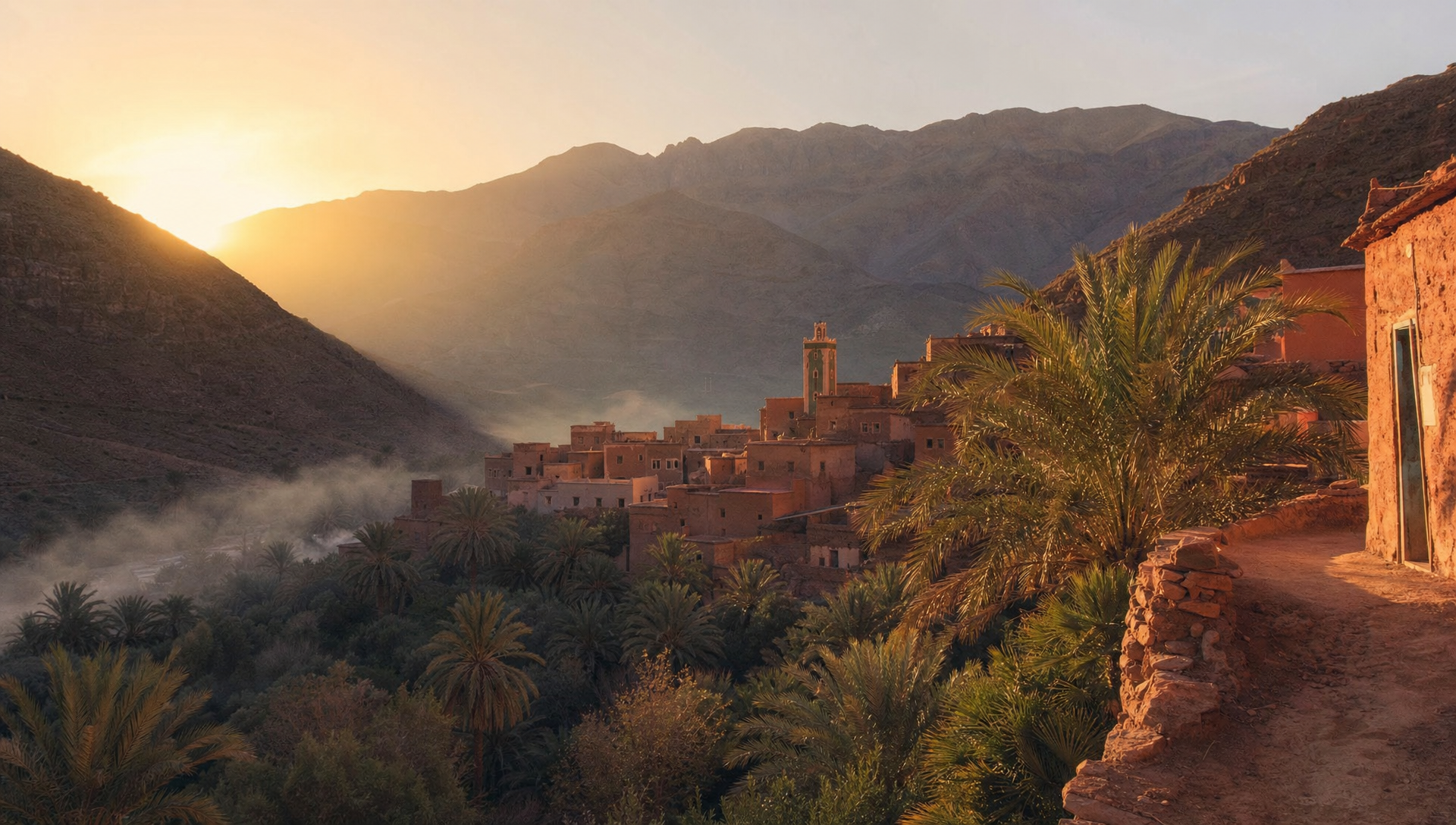
Is Morocco safe to visit? An honest, practical breakdown of Marrakech, the Sahara, solo and women travelers, common scams, and how to avoid the real issues.
Short answer: yes, Morocco is safe for the overwhelming majority of visitors, and millions travel here every year without incident. The longer, more useful answer is what to actually watch out for, because “is it safe” almost never means physical danger — it usually means avoiding scams, knowing how to navigate the medina, and understanding a few local norms that make the trip smoother.
Is Marrakech safe?
Yes. Marrakech is one of Morocco’s most visited cities and well set up for tourists, with a visible tourist police presence (the Brigade Touristique) around the main sights and the Medina. The most common issues aren’t violent crime — they’re overcharging, unofficial “guides” offering unsolicited directions and then demanding payment, and the occasional pickpocketing in the busiest parts of Jemaa el-Fnaa and the souks, same as any crowded tourist area worldwide. Keep valuables secure, agree on prices before accepting help or a taxi ride, and you’ll avoid nearly all of it.
Is the Sahara Desert safe?
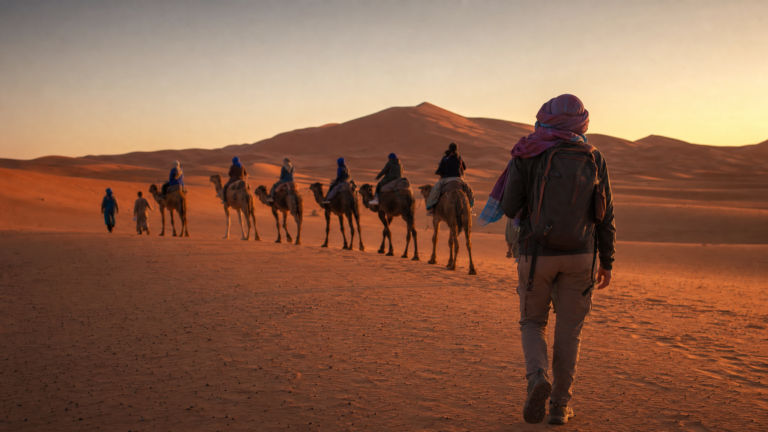
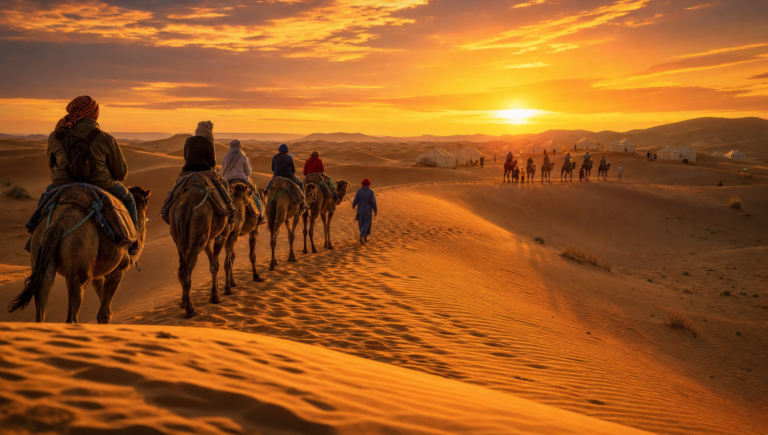
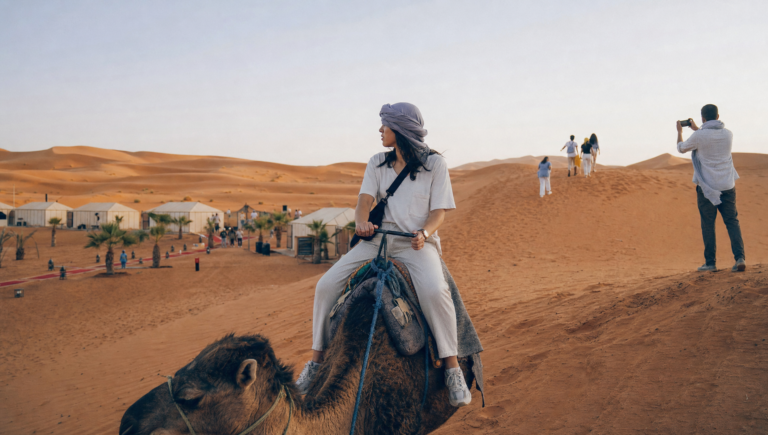
Yes, when done through an established operator. Desert routes and camps are well-traveled, guides know the terrain, and camps are set up specifically for overnight visitors. The main real risks are heat and dehydration in warmer months and cold nights in winter — pack accordingly (our packing list covers exactly what to bring for the desert) and stick with a guide rather than exploring dunes alone.
Safety for solo travelers
Morocco is a genuinely popular solo destination, and the main adjustment for solo travelers is navigation — the medina’s narrow, unmarked alleys are disorienting even for people who’ve been before. A private guide or driver removes almost all of that friction, which is exactly why a lot of solo travelers choose a private tour over navigating independently for their first few days.
Safety for women traveling in Morocco
Many women travel solo in Morocco without serious issues, though unwanted attention — comments, persistent vendors — is a more common annoyance here than outright danger. Dressing modestly in more traditional areas (shoulders and knees covered), walking with confidence, and avoiding empty side streets after dark are the same practical habits that apply in most destinations. A private guide, especially for the first day or two, makes a noticeable difference in how much of that friction you deal with at all.
Transportation safety
Use official petit taxis (agree on the meter or a price before getting in) or arrange transport through your riad or tour operator rather than hailing unmarked cars. For longer trips between cities, a private driver is significantly more comfortable and predictable than shared long-distance transport.
Money and shopping
Carry cash in smaller denominations, use ATMs in well-lit, populated areas (branches in Gueliz and near major squares are generally the most reliable), and remember that bargaining in the souks is a normal, expected part of shopping, not a sign something’s wrong. See our souks guide for how to bargain without the awkwardness.
Health basics
Stick to bottled or filtered water, use sun protection year-round (the sun is stronger than it feels, especially in the desert), and get travel insurance that covers medical evacuation, particularly if you’re doing a multi-day Sahara or mountain trip. Pharmacies in Marrakech are well-stocked for common travel needs.
Cultural etiquette that prevents most friction
Dress modestly in the medina and religious sites (shoulders and knees covered), ask before photographing people, and use your right hand for eating and handing things over. None of this is about danger — it’s about being a respectful guest, and it noticeably changes how you’re treated.
Common tourist mistakes
- Accepting unsolicited “help” from someone who then demands payment for directions you didn’t ask for
- Not agreeing on a taxi price or insisting on the meter before the ride starts
- Wandering the medina without a rough sense of direction or a saved map
- Assuming the first quoted price in a souk is fixed
- Underestimating desert heat or cold and packing wrong
Why many first-time travelers choose a private tour
Almost everything above — navigation, transport, unwanted attention, pricing uncertainty — gets significantly easier with a private guide and driver, which is why it’s often the first thing we recommend to nervous first-timers rather than a full independent trip. Our custom tour builder lets you add a private guide to exactly the parts of your trip where it matters most, and our first-timers guide covers the rest of the practical logistics — visas, currency, what to expect on arrival.